
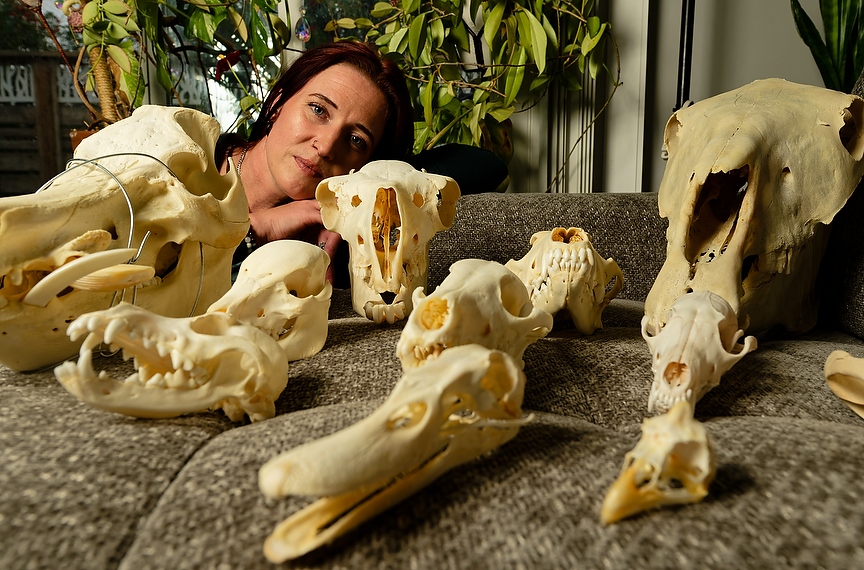
It might have started as a joke, but Shauna-Lee Billwiller of Svelte Rabbitry has found a unique niche for herself.
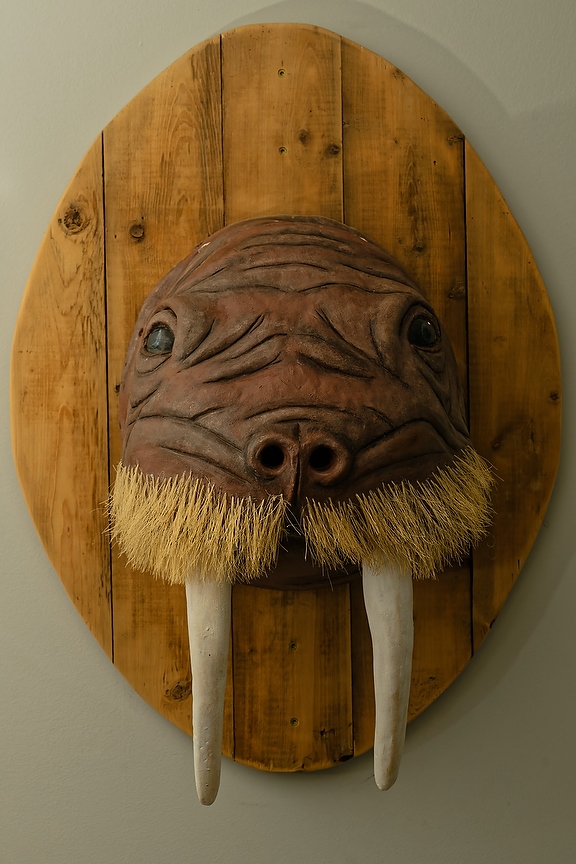
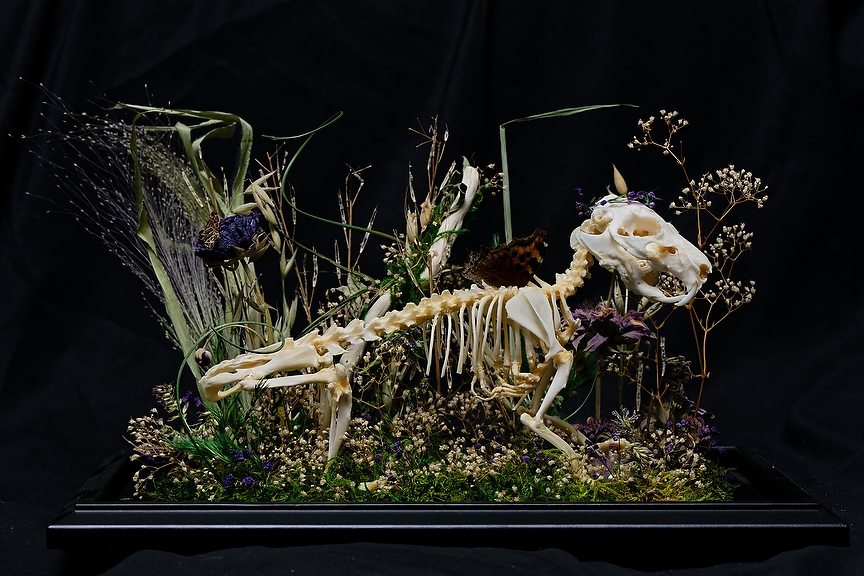
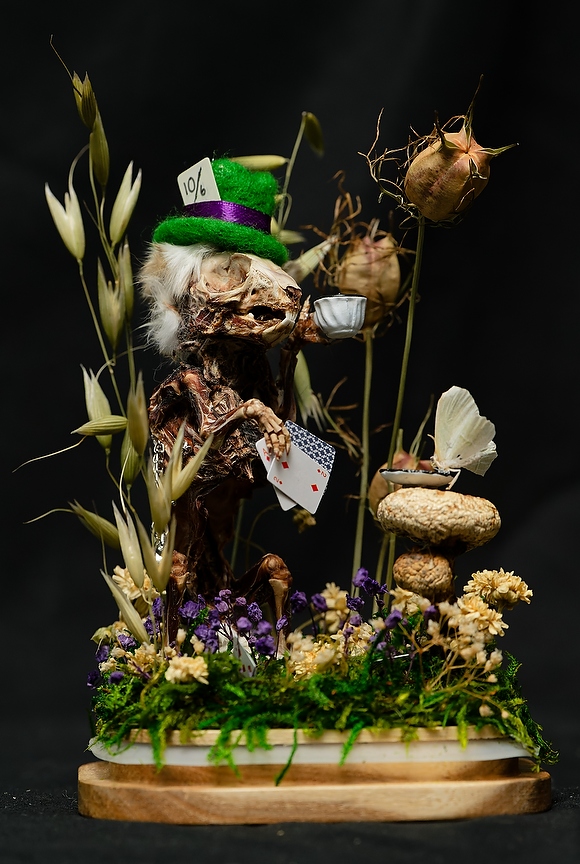
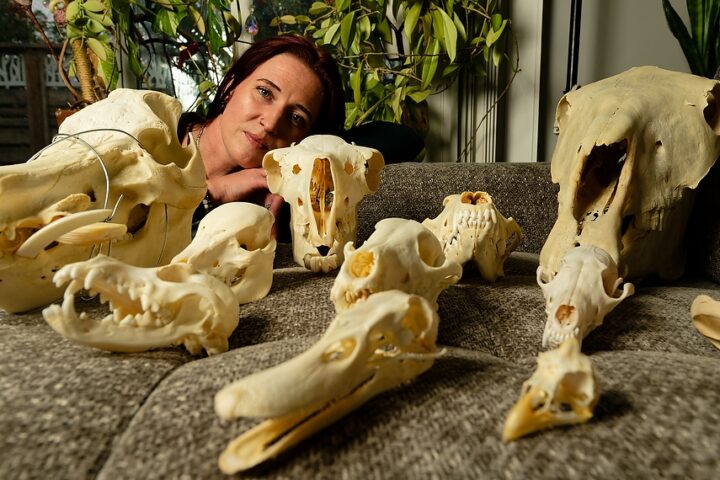
She creates beautiful and popular oddities using an unlikely artistic material: bones and animal parts.
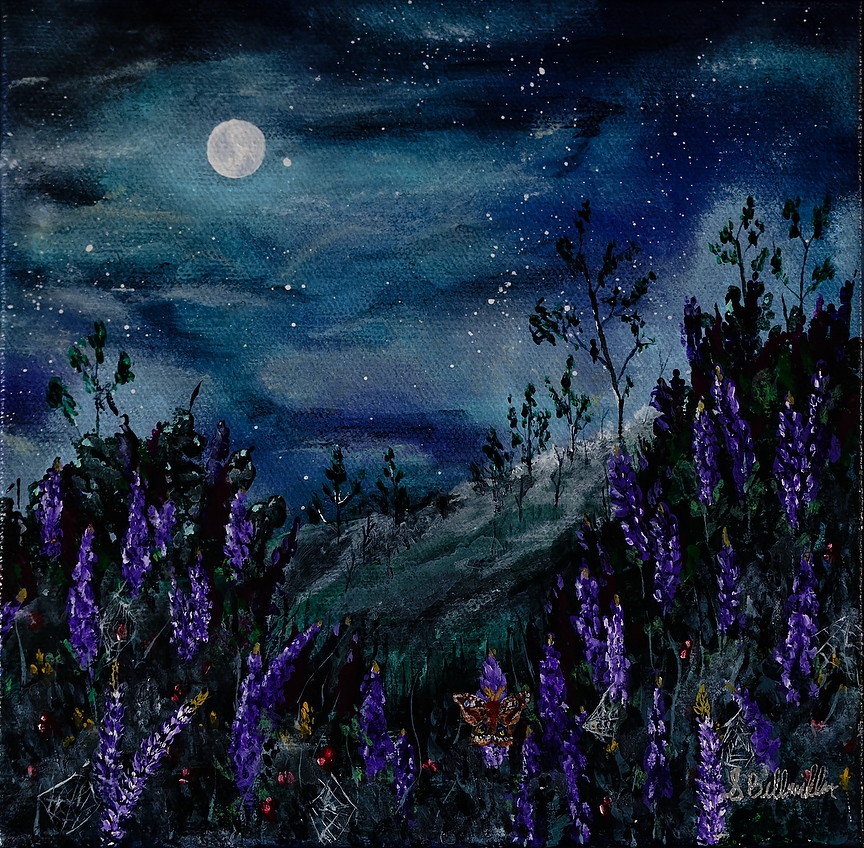
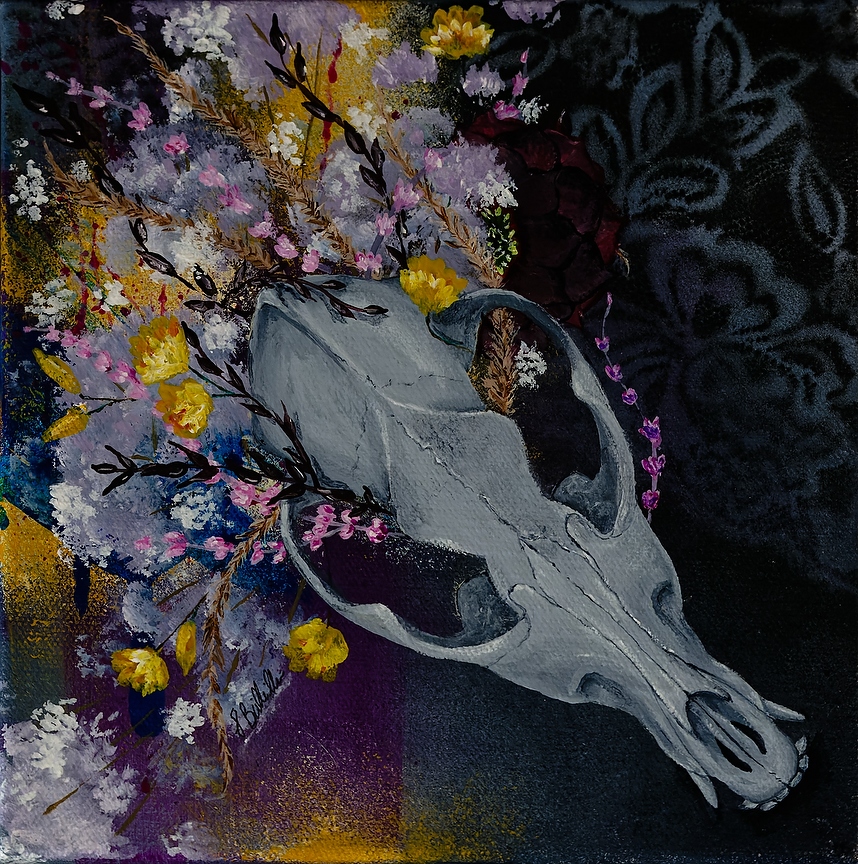
“I’ve always painted and always sculpted,” Billwiller told The Article in her first-ever interview about her art.
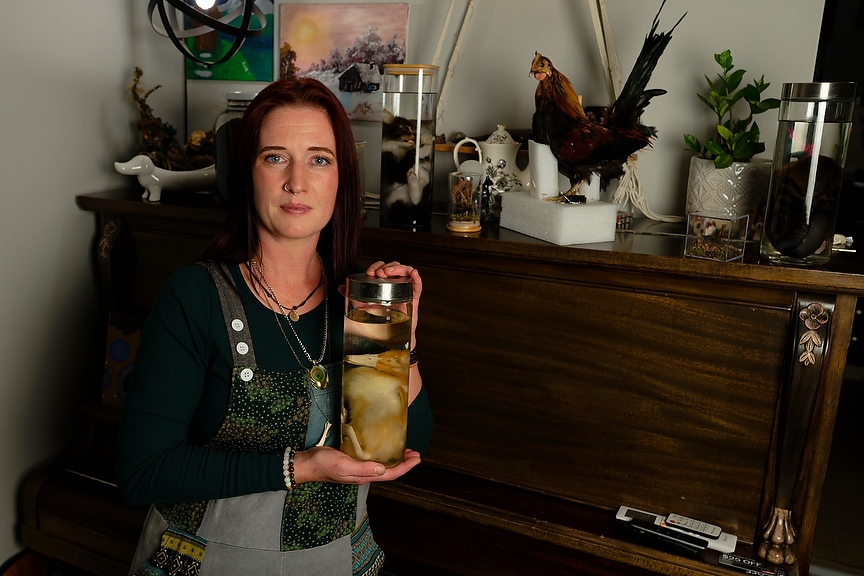
She explained that she got into oddities only because she was trying to decide on a gift for a friend.
“I had a friend who was a hunter, and I didn’t know what to get him for his birthday. Someone said, ‘Hey, it’d be really funny if you did a little rabbit skull on a plaque like a deer skull.’”
Billwiller was intrigued by the idea, but had never done taxidermy before.
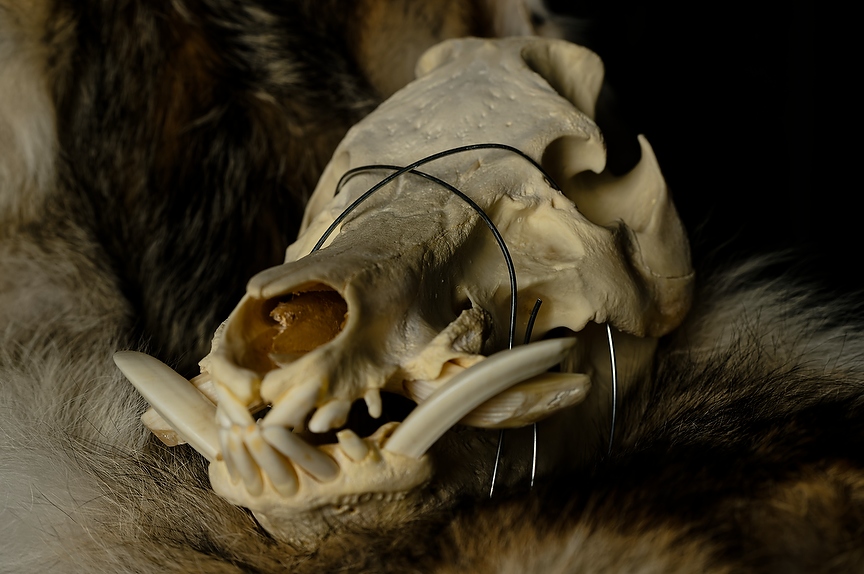
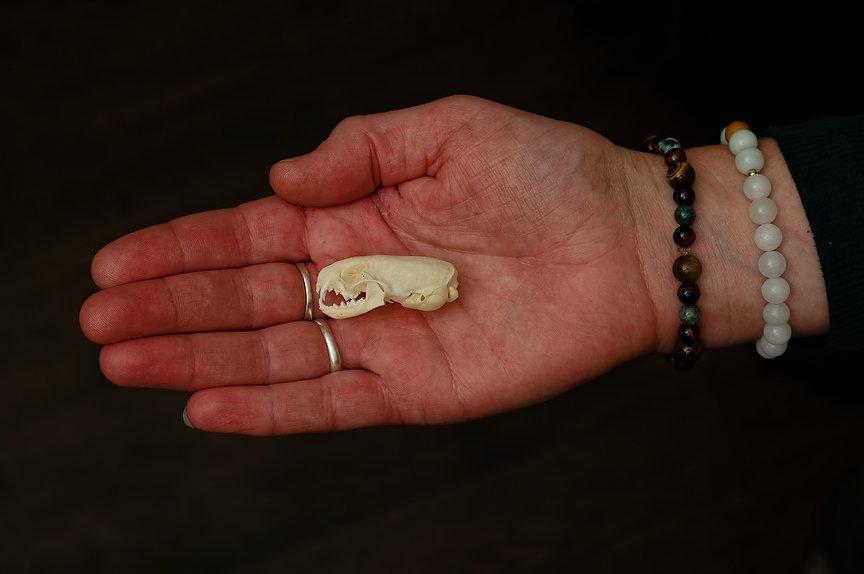
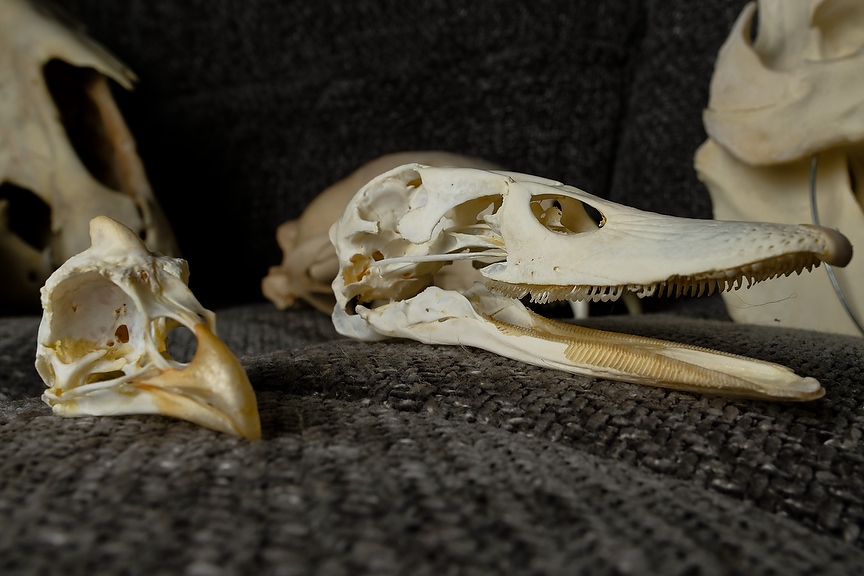
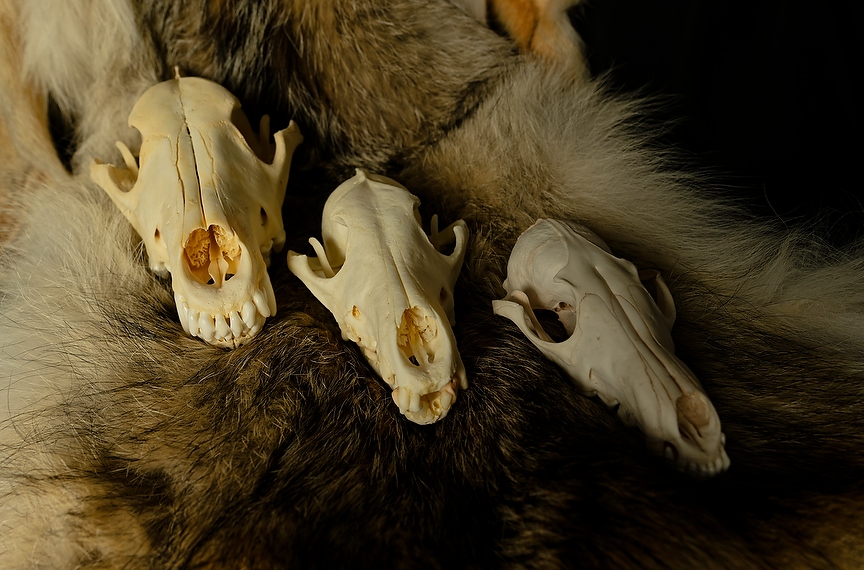
“I remember looking up how to do it and being so grossed out and being like, oh this is awful, I don’t even know how people do this,” she said.
But she taught herself how to do it anyway, and finished the gift.
“After we did the one, I had someone message and say, ‘If you ever did another one, I would buy it from you.’ That was about four years ago, and from that point I’ve done hundreds of skulls. I’ve done wet specimens, mummification, pet memorials, hunting stuff, human body parts, the whole works. It’s grown exponentially, faster than I’ve been able to keep up with, which is cool,” Billwiller said.
“I love the living, and this has just been a really neat outlet to use up waste, basically.”
From show rabbits to taxidermy
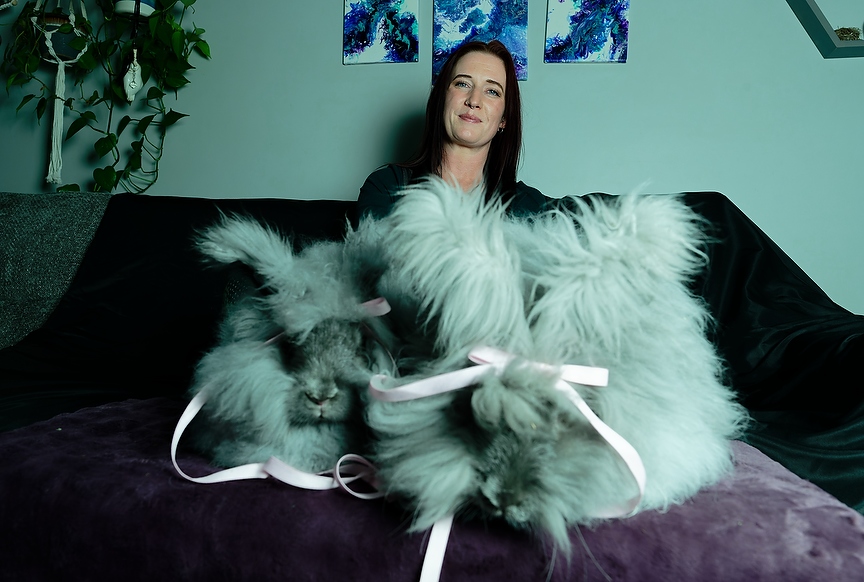
Billwiller had easy access to rabbit skulls for good reason. She’s a member of the American Rabbit Breeds Association (ARBA), which she explained is like the Canadian Kennel Club (CKC) for dogs but for the rabbit world.
“I’ve had show rabbits for a long time. I show all across B.C., Alberta, Manitoba, and the U.S. so I’m pretty involved in the show scene.”
The two main types of rabbits Billwiller raises are English angoras and mini lops, but there are 52 recognized breeds in North America.
“It’s very similar to how a dog show is outlined, how breeds are done, and that there’s a standard for everyone. So we do try really hard to breed to standard.”
Billwiller said she is serious about responsible breeding and is working on getting her ARBA judge’s license. However, she doesn’t get involved much in the pet industry. Her rabbits mainly go to a limited clientele of people who are breeding for shows.
“I really try not to add more weight on to the pet market,” Billwiller said. “I’m not a backyard breeder, and it is a really huge problem in Grande Prairie.
Ethical sourcing and fighting stigma with education
Billwiller taught herself more taxidermy techniques by reading, following oddities pages, watching YouTube, and using trial and error with more readily available animal parts.
“Once we did the skull work, I moved into wet specimens,” Billwiller said.
That meant being able to use organs as well, which turned out to be popular.
“People love hearts, eyeballs, and brains. Sometimes the only thing I wouldn’t use would be the GI tract,” she said.
However, wet specimens can also get the most negative reactions, especially from people who mistakenly think live animals are being hurt to make them.
“The wet specimens are by far the hot topic, and I think it’s because they still look so alive it can be hard to differentiate,” Billwiller said.
She does her best to educate people that all of her pieces are sourced ethically. None of them are killed for the work, but are animals that died of other causes and were brought to her.
“With my pieces, if you like something, I encourage people to get it when it becomes available, because I only get what is found ethically,’ she said.
“I’d never gotten pigs and I got pigs this year. I probably won’t get pigs next year. It’s one of those things where my work is always ebbing and flowing.”
In spring, Billwiller is busy with chicks and ducks, a lot of which don’t survive hatching.
“I actually just recently had a discussion with someone, and they’re like, ‘How could you kill them as they came out of the egg?!’ And I had to say this little buddy didn’t even come out of the egg. I had to crack a rotten egg open and clean it!”
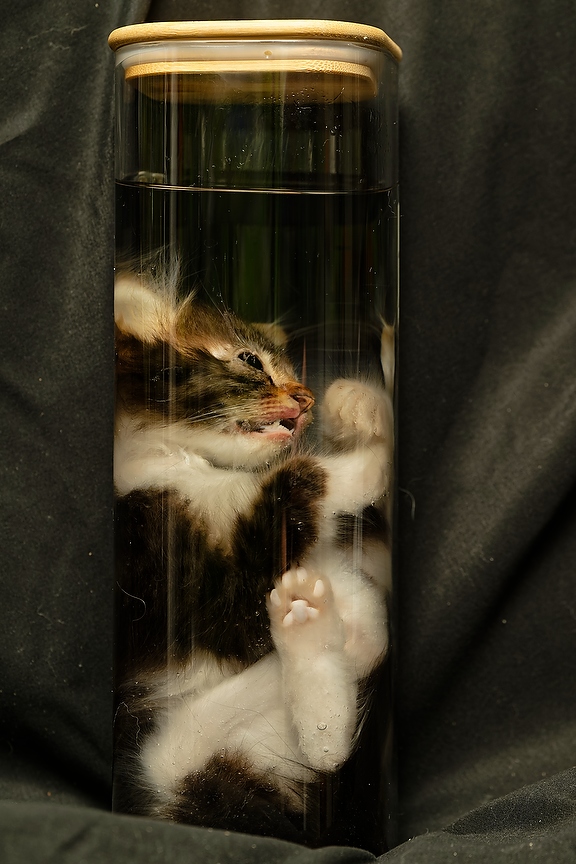
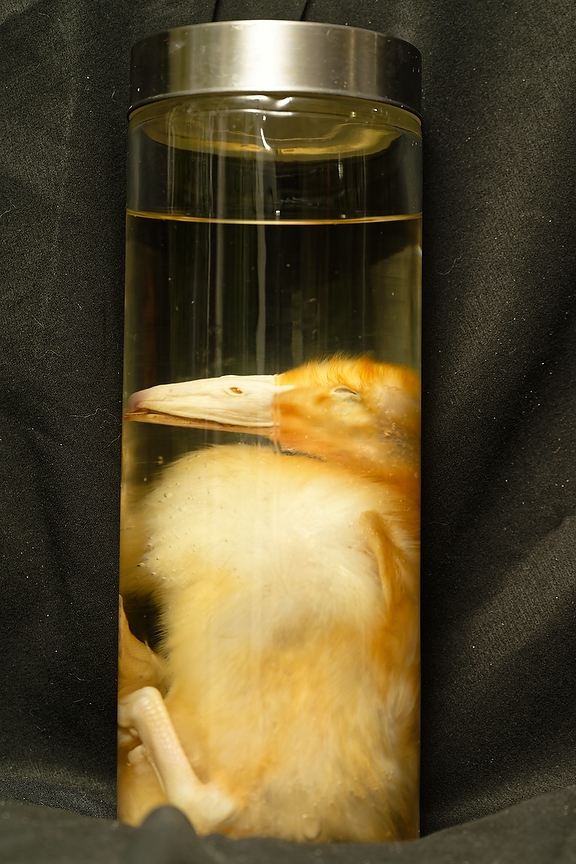
She had kittens that came in last year, which sparked a lot of conversation. Billwiller had to make it clear the kittens died of natural causes.
“These poor little dudes never even got a chance to have a home, and now the people who buy them adore them,” Billwiller said. “They are a centerpiece in their home. They are loved unconditionally. For those who hate it, I just say support spaying and neutering.”
She also gets many unique wild animals.
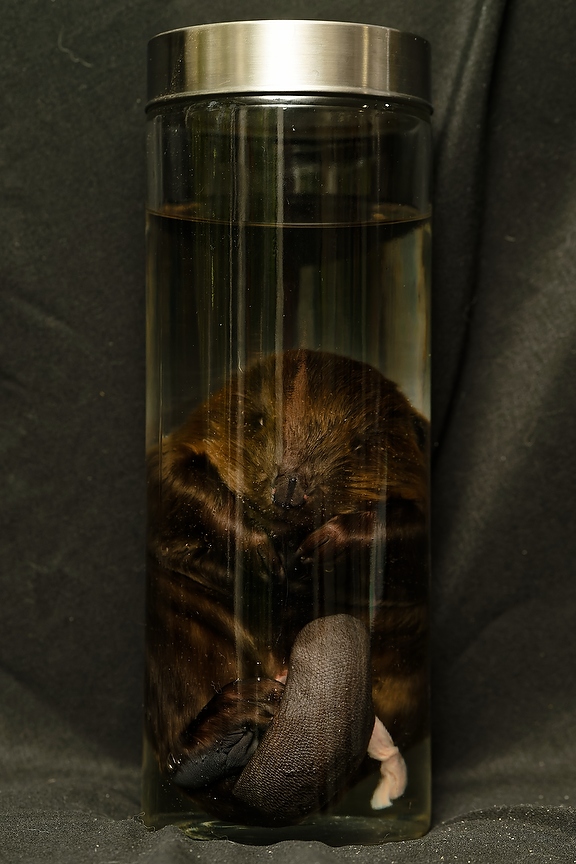
“The beaver fetuses are always super cool,” Billwiller said. “They come from traplines. It’s a sad truth that happens in spring. It’s completely legal. They are regulated, not a poached animal and they are controlled. But when [trappers] do get something, they always hit me up and say, ‘look what we found; are you interested?’ and I’m always interested.”
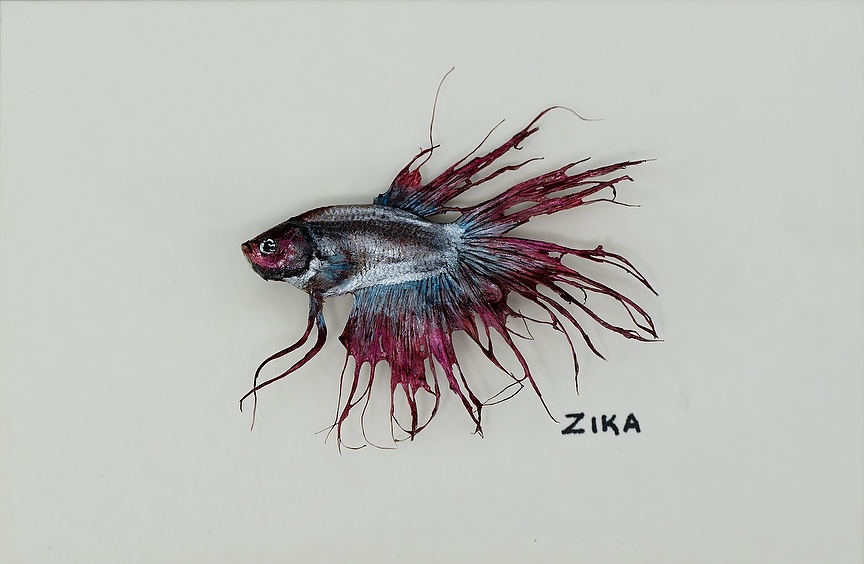
Other animals are even more rare. She has worked with emus, cougars, fish, snakes, guinea pigs, and birds.
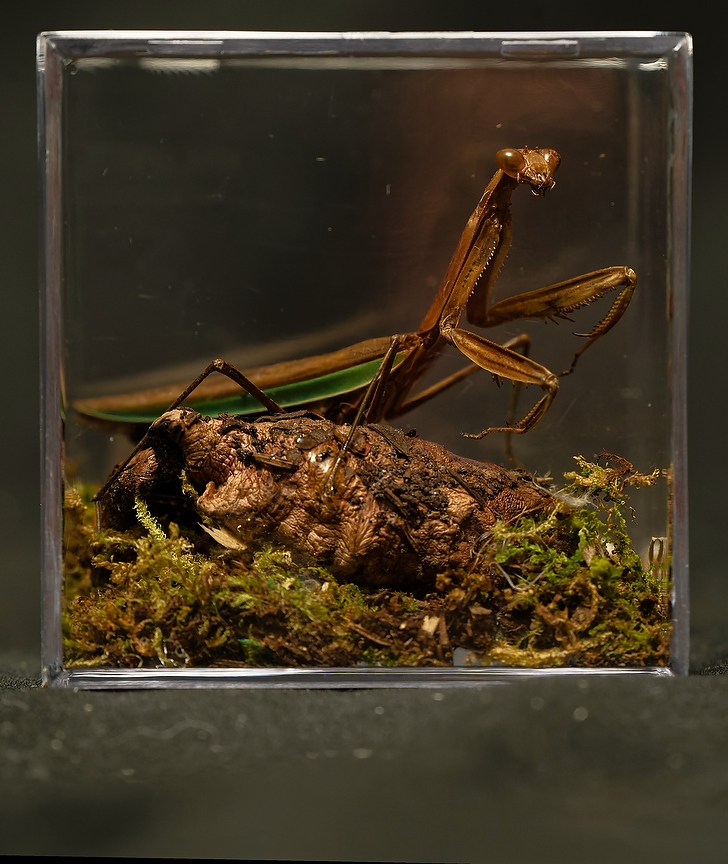
For insects, Billwiller said she’ll use anything pulled out of a truck grille.
“My bugs look rough because they literally got hit by a vehicle.”
The cold snap earlier this year also yielded an unexpected source of butterflies.
“All these perfectly intact butterflies had frozen. So I got six or seven perfect butterflies,” Billwiller said.
“In fall, I go to the rivers. The dragonflies die and fall in the river, so I go with nets and scoop them out of the river and dry them just so they’re as posed as possible. I love using them. They’re one of my favourite insects. But they’re so vital and key for the environment that I want to be really careful.”
Then there are the human body parts. Billwiller said there are a lot of restrictions in Canada compared to the U.S.
“I only take parts of people who are still alive,” she explained. “Hysterectomies, joint removals, vein removals, things like that. I have recently done someone’s uterus. Talk about stress about not wanting to wreck something you can’t replace. But what an incredible opportunity that was, and so many women were like, ‘Oh my gosh, if I would have known that you do this I would have kept mine.”
“There are people who are like, ‘I can’t wait to get mine out, we’re going to put it in a jar!’ ”
Billwiller said people also keep their teeth when they’re pulled. She turned her own molar into a tooth fairy.
A Controversial Art Form
“I know it’s a controversial style of art. It’s not art for everyone. I one hundred per cent get that,” Billwiller said. “I will say I have been incredibly lucky in regards to the feedback I’ve gotten with my work. But with the direction I’ve gone I’m always very transparent with where I get things, and I think it’s really hard to troll or argue with that.”
Her main customer base might also surprise you.
“My number one clientele is girls between the ages of nine to 16,” said Billwiller. “A lot of boys and men find it kind of gross unless it’s a hunting mount. But I have Moms reach out to me all the time for work and pieces and jewelry and memorial pieces for their daughters.”
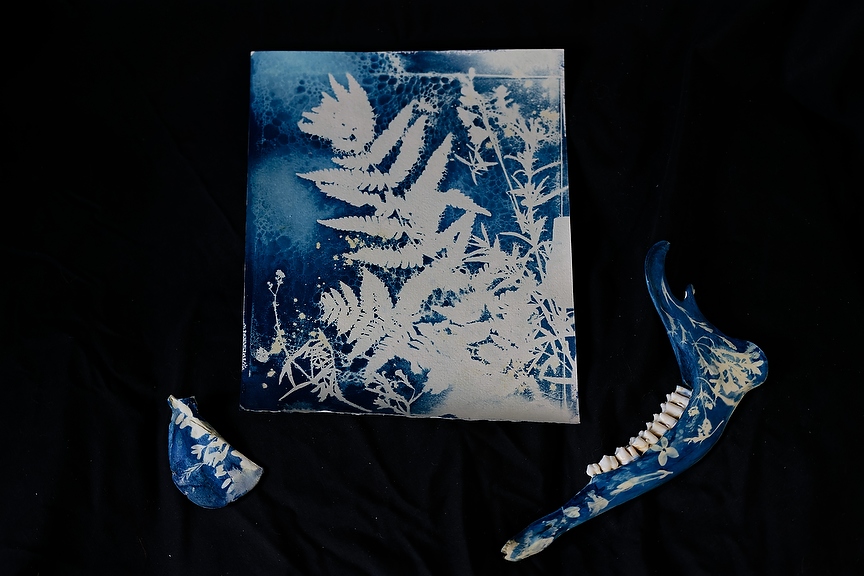
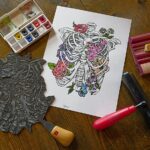
Billwiller now teaches classes on skull decorating and making bone flowers. She tells her classes different interesting facts about the animals.
“I put a lot of love and honour into the work that I do. I try to give the animals a second chance,” she said.
You can find Billwiller’s art at Ember & Stone Curiosities in Grande Prairie. Billwiller’s pieces have also been touring recently as part of the Alberta Foundation for the Arts Travelling Exhibition (TREX) program.




Follow Us