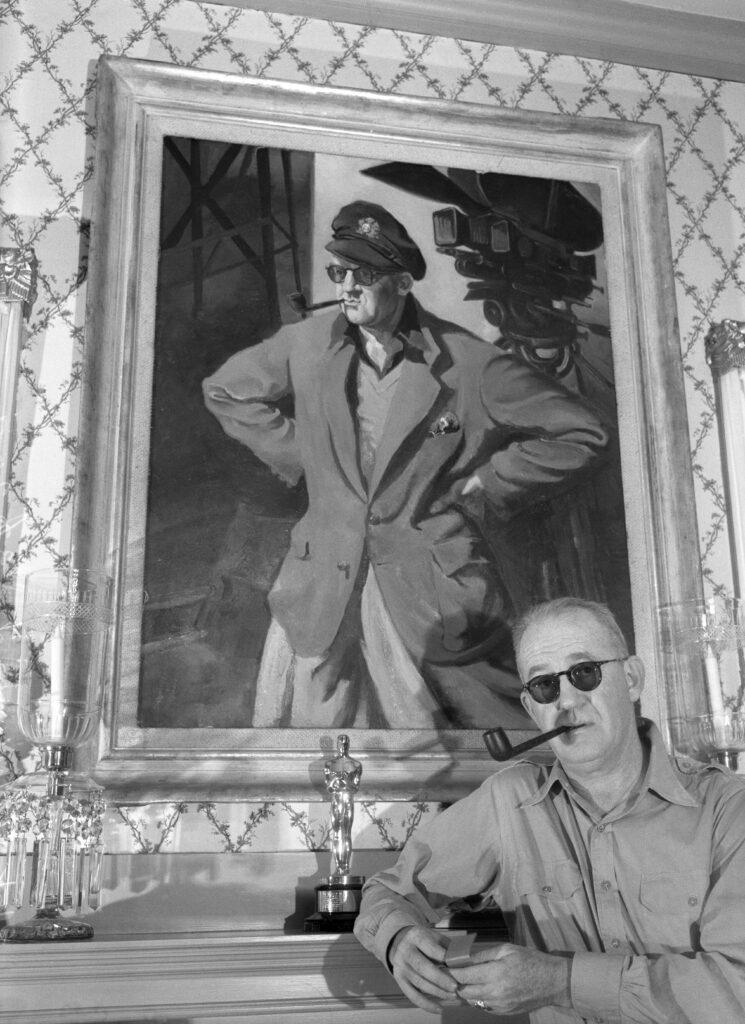
John Ford, the master of the western and considered one of the best American directors, if not the best.
Ford began in the early days of the medium, directing his first film, The Tornado (1917), at age 23.
Unfortunately, much of Ford’s early work is believed to be lost, but he made over 100 feature films in his 50-year career.
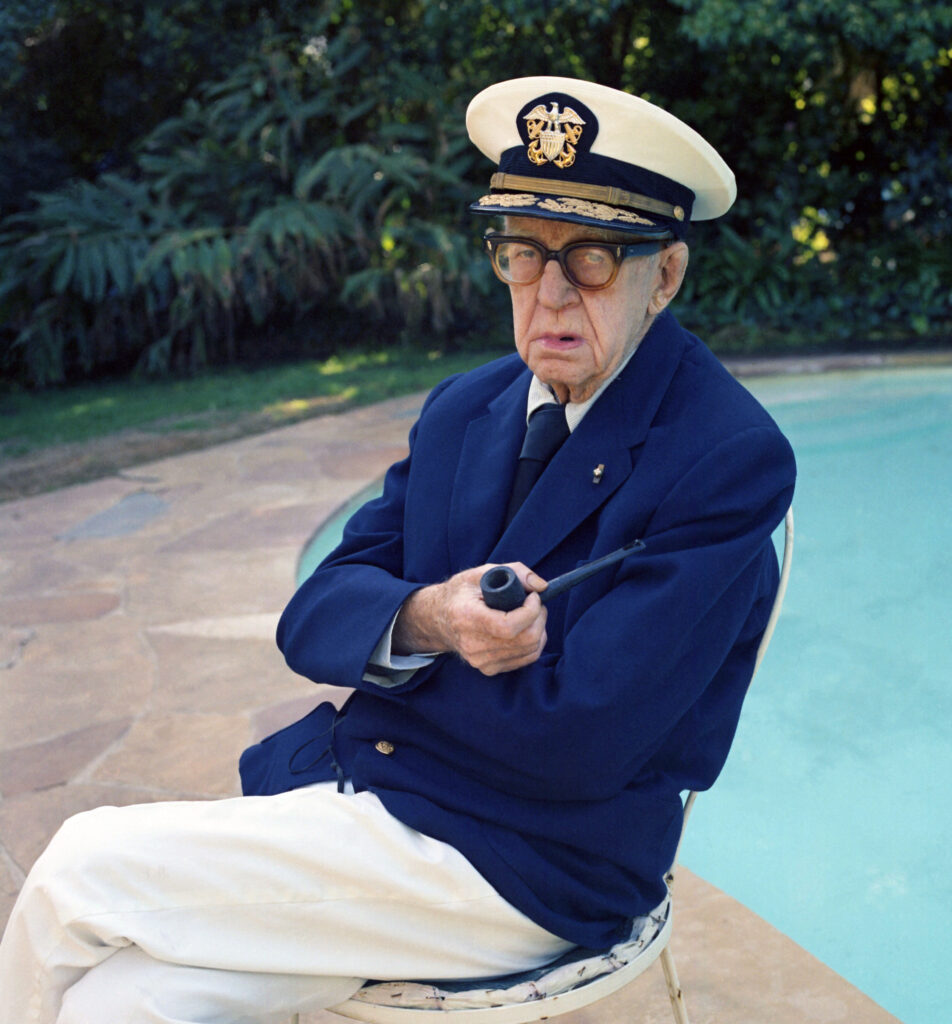
Notable titles such as The Searchers (1956), How Green Was My Valley (1941), and Young Mr. Lincoln (1939) would showcase his versatility.
Ford is best known for his western films and for helping create the genre’s mythological state. Stagecoach (1939), My Darling Clementine (1946) and The Man Who Shot Liberty Valance (1962) are three films that I believe capture this best.
Stagecoach (1939)
A group of nine travellers heading for a far-off town by stagecoach encounter rising tensions between themselves and a looming threat of raiders.
Among the cast, we have a young John Wayne in his first of many leading roles for Ford, playing a cavalryman on the wrong side of the law who may be their best chance at survival.
Stagecoach is essential viewing in the western genre; it portrays a variety of archetypes seen throughout the genre and is an excellent example of the mythology that became the Wild West, making it an excellent starting point for the genre.
The film is also quite a ride for its true daredevil stunt work, which can only be found in these earlier days of film, before regulations to protect stunt workers existed.
My Darling Clementine (1946)
Stories from the days of the frontier would circulate, events and people would become legends, and the life of Wyatt Earp (Henry Fonda) and the gunfight at the O.K. Corral would be told.
Earp was a lawman in Tombstone along with his brothers, who brought down some outlaws at the O.K. Corral.
Ford created the film from Earp’s own accounts, though it is still believed to contain historical inaccuracies.
Earp omitted parts of the story he didn’t like, but that is how a legend is born: by a multitude of retellings.
The Man Who Shot Liberty Valance (1962)
The story follows our two leads, Ransom Stoddard (Jimmy Stewart) and Tom Doniphon (John Wayne), embroiled in a conflict with the titular character, Liberty Valance (Lee Marvin). Ultimately, it’s about how the conflict ended with a lie to make way for civilized life to take root in the West.
People want to believe the heroics of a lie rather than the messy truth, but this strips away the facade of heroic theatrics and gives us a more grounded, morally grey narrative by showing us the roots of the genre through the master of the genre on film.










Follow Us