
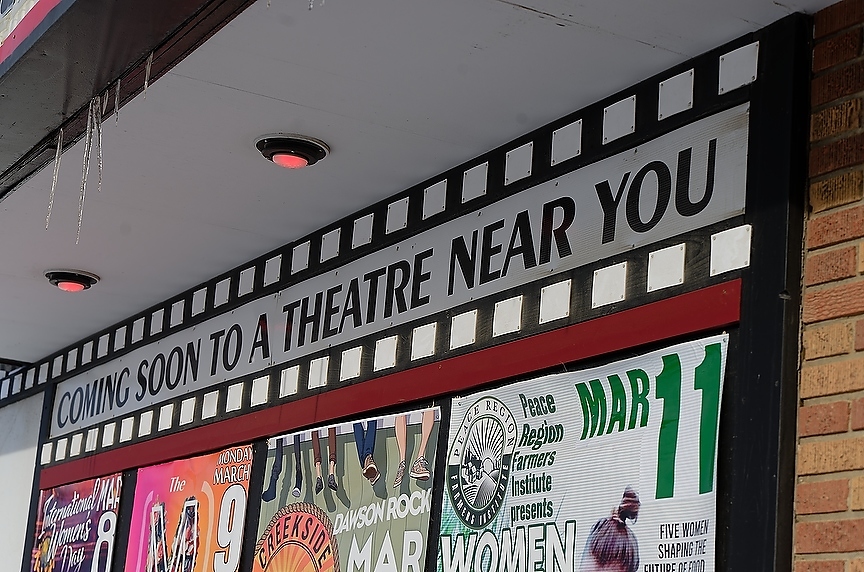
For over 100 years, films have entertained residents of the Peace Region, from the first silent short films, the introduction of sound, and eventually 3D and digital projection today.
This region experienced it all, but the history of what all that looks like is becoming difficult to piece together.
“It’s such a great part of our history that literally, there’s nothing written down about it,” said Grande Prairie Museum collection coordinator Rhonda Lawton.
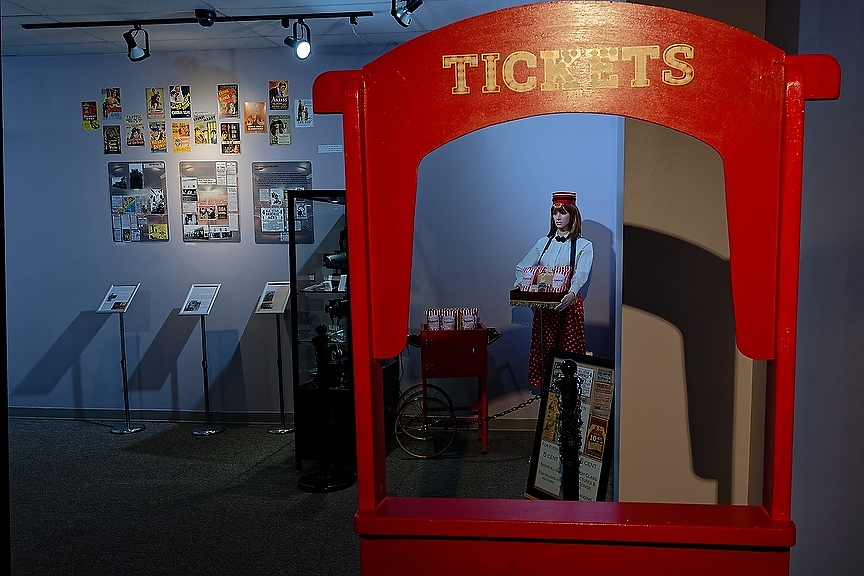
She and the museum’s staff have looked through newspaper clippings to create a picture, if you will, of the city’s cinema history.
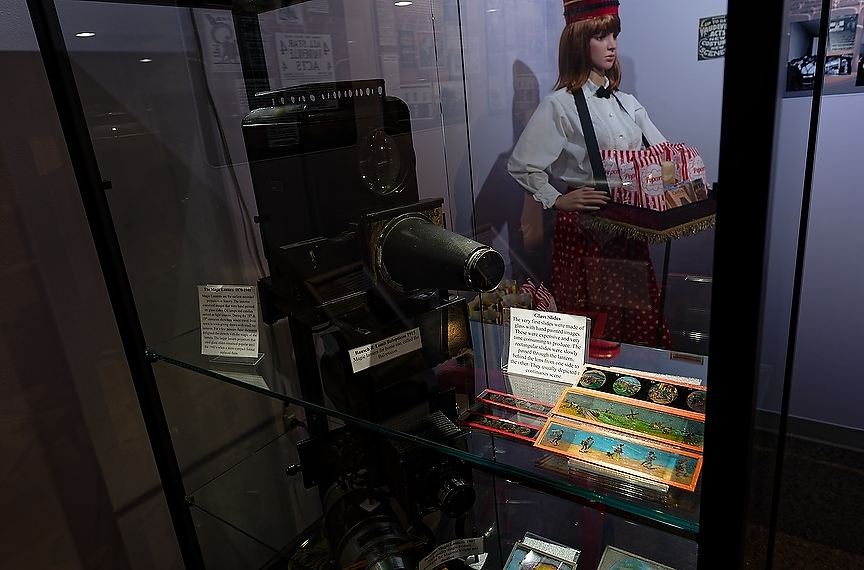
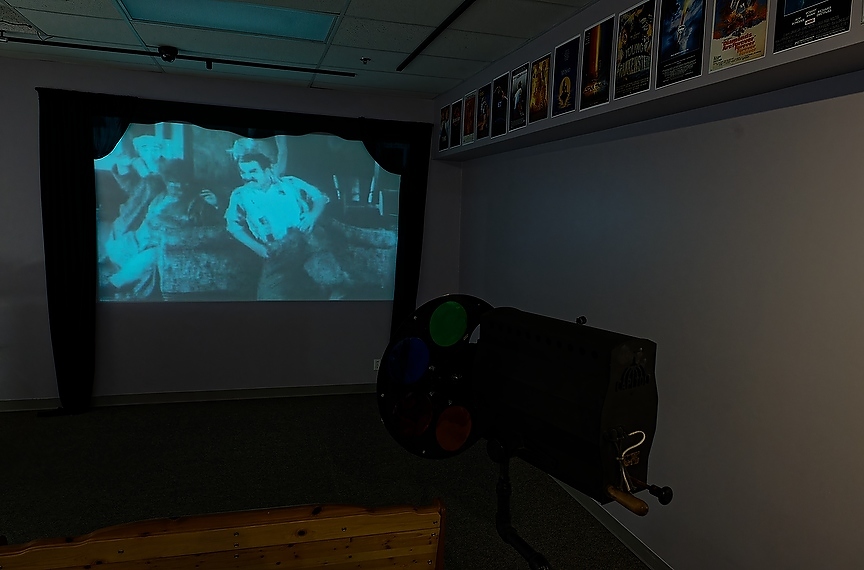
The museum has a new exhibit on the history of cinema in the city and looks back at what cinemas were like in those early days.
The first theatre to begin showing films in Grande Prairie was the Pioneer Theatre in 1913, which was showing films out of the then Elks Hall.
“It was just the catch-all community centre that they happened to play movies in,” said Lawton, noting it would also show community theatre, vaudeville acts, boxing events, and even city hall events.
The Pioneer came with the promise of a “moving picture show every Saturday evening with a complete change of pictures each week.”
All the films would have been silent films at that time, but would have been accompanied by live musicians and title cards to help convey dialogue.
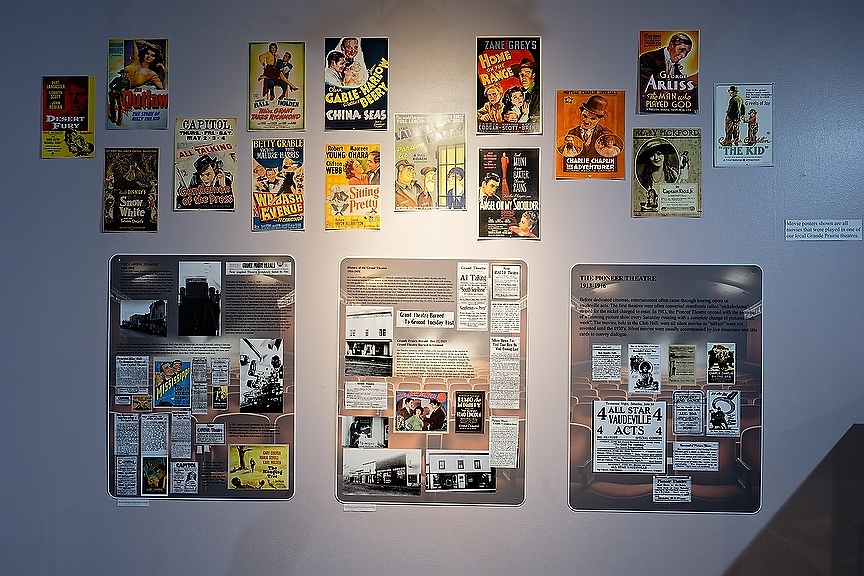
Posters from films such as The Eternal Mother, starring Ethel Barrymore, the great-aunt of current actress Drew Barrymore, are among the many being displayed in the museum’s exhibit of films that once were projected in the city.
The Pioneer would soon be replaced by the purpose-built cinema the Grand Theatre in 1916, which would also host not only films but also vaudeville acts and community events.
The Grand would also show the first “talkie” in Grande Prairie with its screening of South Sea Rose, a now-lost film, in 1930.
The Grand would remain Grande Prairie’s main theatre until June 1930 when Frank Donald would start the Capitol Theatre, an “all-talkie” cinema, said Lawton.
“The Capitol took over as the premiere movie theatre. ‘Best of the best,’ he called it.”
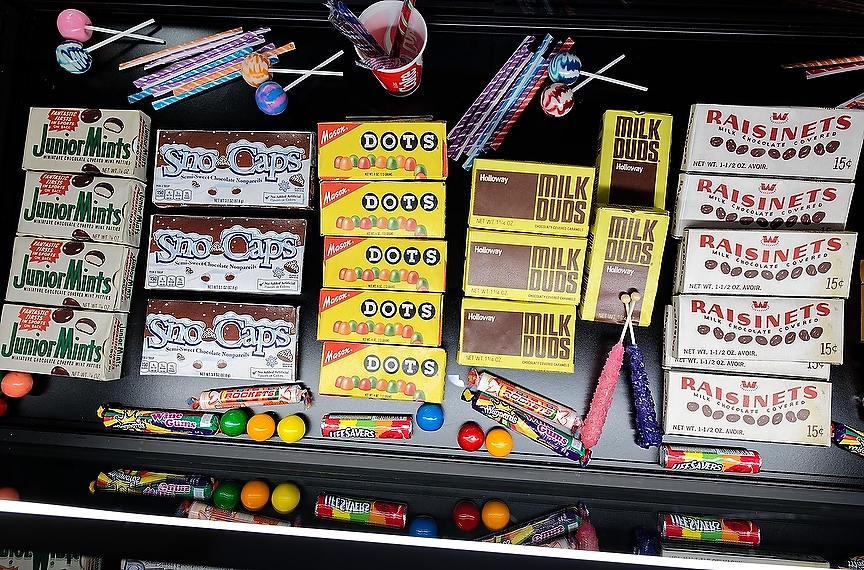
The next cinema to open was the Gaiety in 1950, which introduced the concession stands we see in modern cinemas.
The Capitol closed its doors in 1963, the Gaiety in 1991, but meanwhile other cinemas would begin to become established in the city, such as the Jan cinema from 1971 to 2014 and Prairie Cinema Centre, later renamed the Lyric from 1996 to 2012.
The current Cineplex opened in the city in 1998 and is currently the only active cinema.
The historical cinemas in Grande Prairie are largely gone; the original Grand Theatre was destroyed by a fire in 1921, and the Gaiety was demolished in 2012 and is now a parking lot.
Some buildings which housed cinemas remain, but they have since been renovated, such as the former Jan and Lyric cinemas.
“I think it was interesting to find out that all the theatres were community-based and that they were doing public stuff, like you could just go in there and dance or do a meeting or do a choir practice, and they all had pianos and all these things, so you could just convert it into whatever you wanted,” said Lawton.
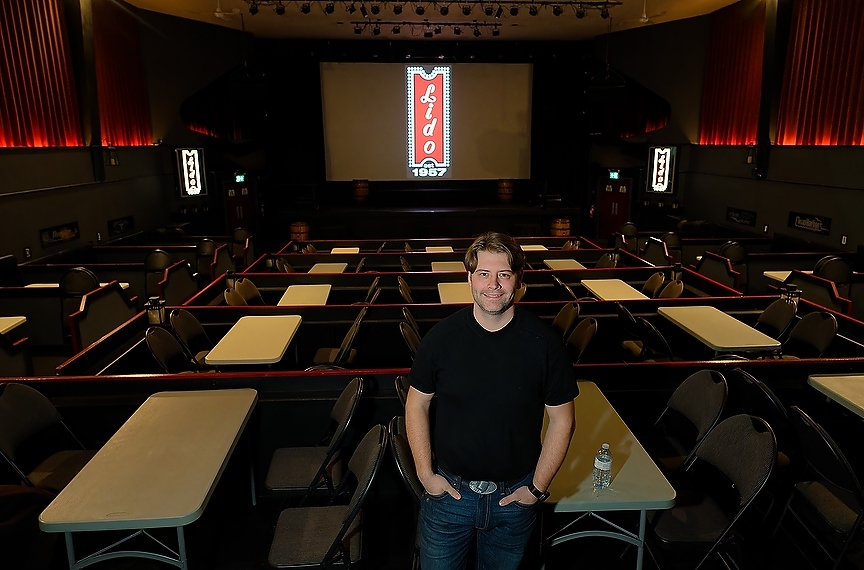
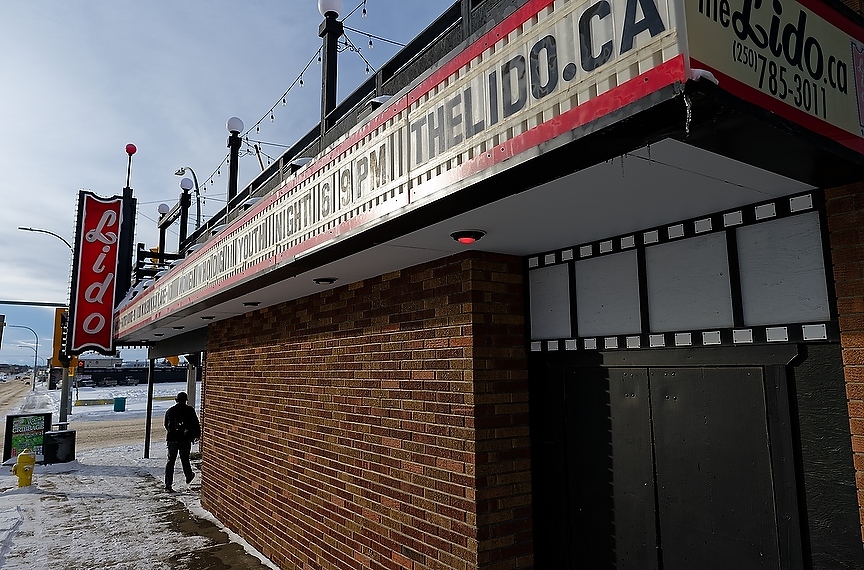
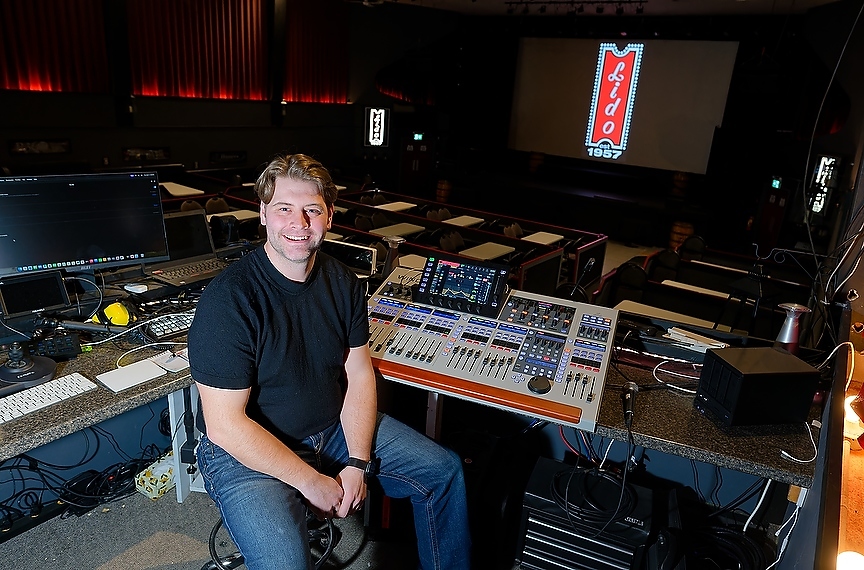
In Fort St. John, the Lido is the city’s second-oldest building and carries a history of cinema, but is also adapting to the modern day by doing what cinemas of the past also did.
“The Lido is a meeting place for everybody,” says Skyler Rowsell, owner, noting the theatre could be doing a burlesque show one night and the next morning a fundraiser for a Christian camp.
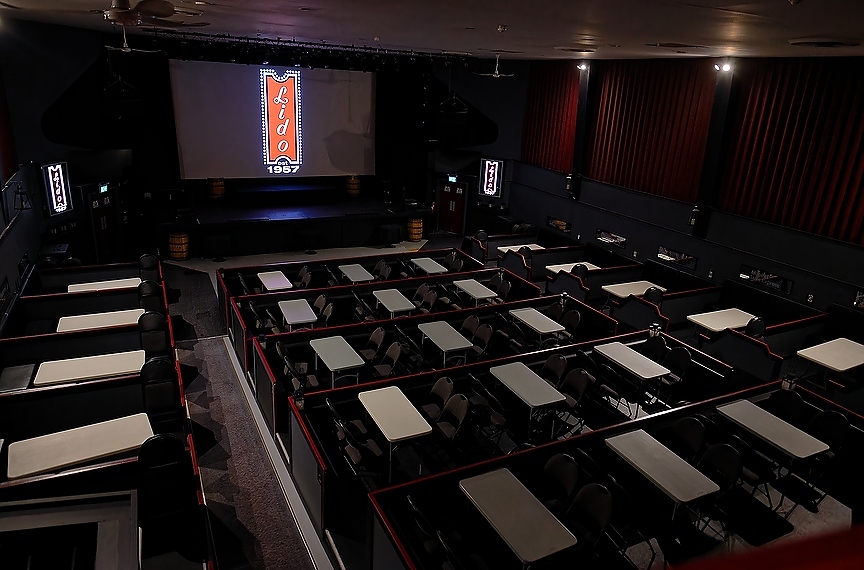
The Lido now hosts everything from youth nights where local youth can play a variety of video games to musical and local theatre performances, fundraisers, parties, and movie screenings, to name just a few events on its upcoming roster.
The Lido opened in 1957, with the local newspaper saying, “a glamorous addition to the entertainment world in this part of the north.”
The single screen cinema would house a pair of “motiograph” projectors, ensuring pictures are shown without interruption.
Rowsell bought the theatre in October, but grew up going to movies at the Lido.
He remembers going on Sundays after church.
“Dad used to reward himself if he stayed awake through church, come here for the matinee movies, and it was four bucks or six bucks to get in at the time, and then he could buy himself a nap for the afternoon,” reminisced Rowsell.
He remembers lining up along the side of the theatre for the latest releases, such as the Pokémon movie, only to learn the theatre was full and he would need to try another day.
That was just the late 90s, and the cinema has changed since then to survive the modern world of streaming movies and giant cineplexes.
The previous owner of the Lido, Brian Kirschner, bought the theatre in 2006 after it had been closed for several years.
“[Kirschner] was a bit of a genius; he got the ball rolling to make it what it is,” said Rowsell, noting he updated the cinema to be able to have more events hosted within its walls and removing the classic cinema seating for tables and chairs that can be moved and changed for different event needs.
Rowsell believes his challenge is to maintain the theatre’s nostalgic feel while staying up to date with modern standards, keeping a feeling while updating sound and projection.
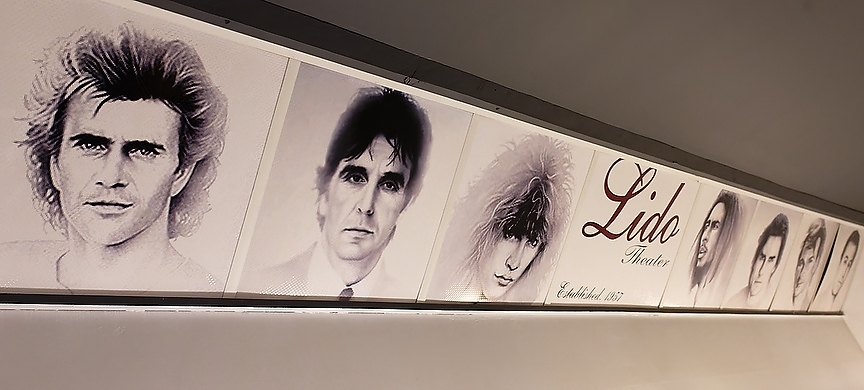
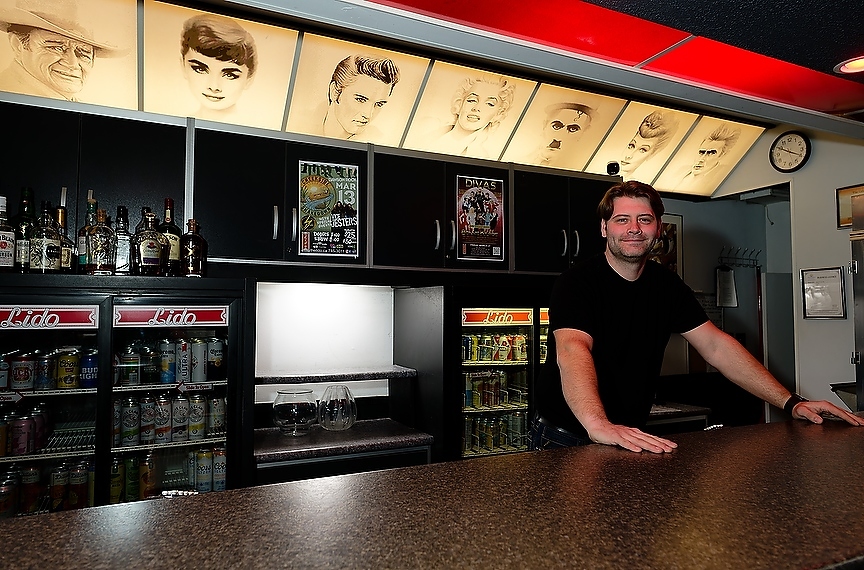
The Lido is filled with reminders of its cinematic history: the outside of the building with its marquee, posters surrounding the building; inside, patrons are welcomed by a classic ticket booth, and a concession stand is overlooked by portraits of cinema legends, including Charlie Chaplin, John Wayne, Audrey Hepburn, James Dean, Marilyn Monroe, and Elvis Presley.

The old storage spaces for film with steel fire doors remain from when film was still a fire hazard and now store film memorabilia from the cinema’s history, such as Ben-Hur promotional material and programs from the Lido’s past.
Rowsell says going to the cinema to watch a film has a special feeling when you watch it with an audience.
He said one of the first film screenings he did as owner of the Lido was Elf, and watching the film with an audience was a new experience.
Near the end of the film, when a woman looks to create more Christmas cheer so Santa’s sleigh may fly once again, she begins to sing.
“I was standing at the back of the room, and it was like maybe only 30 people came to that movie, but I watched every single kid there stand up in their booth and sing with the show.
“It is the coolest thing I’ve ever seen.”
The theatre also creates a place for children to dream, said Rowsell. It’s a place where they can experience different worlds and learn that there’s more to life than what’s directly around them.
“There’s momentum to be had with keeping a place like this alive so that the next generations coming in still have a place to kind of spread their wings; not everybody’s cut out for academics or trades, I’m a testament to that, even though I have a trade and I’m no good at it,” he said.
One of the best ways to show support and help keep local organizations running is to visit these venues, said Rowsell, noting he has people come in who haven’t visited in many years.
“Anything that you feel is important to your community, go visit it.”









Follow Us