Jean-Luc Godard is arguably one of the most important filmmakers of all time, with his contributions to the French New Wave movement of the late 50s and 60s.
Before he was a filmmaker, he was a film critic and cinephile writing articles for Cahiers du Cinéma.
Displeased with the output of film in his time, he and others at the magazine banded together and asserted a standard for filmmaking; this would later be known as the French New Wave.
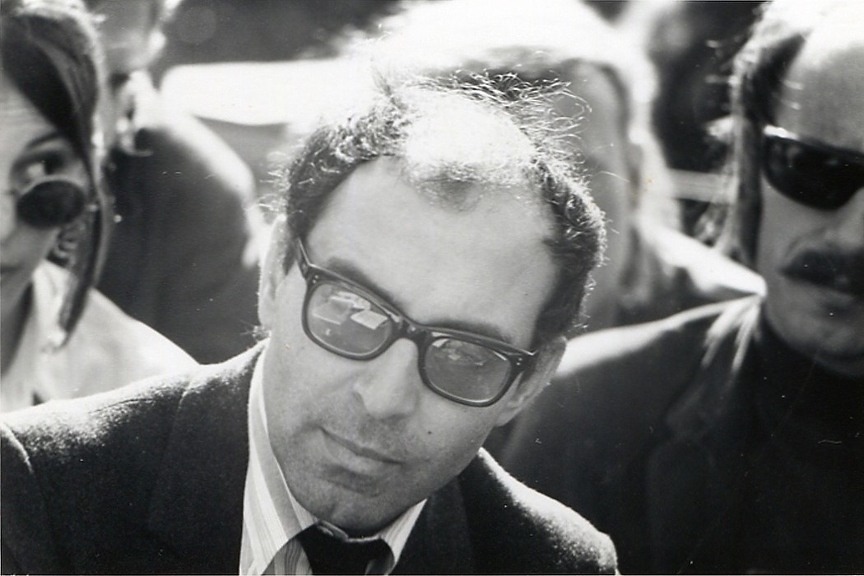
The film movement was easily recognized for its low budget and on-location shooting, made possible by lighter, more maneuverable cameras.
It wasn’t just the camera work that was changing, but also the editing and writing of these films, with the editing pushing boundaries by being more in-your-face and chaotic.
The dialogue would be improvised and often philosophical and melancholic.
Although some of Godard’s contemporaries made films in the New Wave before him, his debut feature film, Breathless, left audiences feeling just as the title of the film would suggest.
Godard’s films often follow young people as they face the troubles of their day and try to find themselves in a world without answers.
His infusion of a frenetic, youthful energy into his films resonated with viewers at the time and leaves them with a timelessness that still inspires viewers today.
Breathless (1960)
Breathless follows Jean-Paul Belmondo’s character Michel, a small-time crook who, after murdering a police officer, tries to convince his American girlfriend, Patricia, played by Jean Seberg, to run away with him to Italy.
The film showcases Godard’s iconoclastic style through its unconventional editing and cinematography.
Pierrot Le Fou (1965)
Pierrot, played by Belmondo, runs away from his drab life along with Marianne, played by Anna Karina, who is pursued by hitmen. On the run, they have a series of adventures as they evade their pasts. Notable for its vibrant use of colour, blending of genres, and its rebellious story, Pierrot Le Fou stands as a significant pillar of arthouse cinema.
Masculine Feminine (1966)
Jean-Pierre Léaud of The 400 Blows (1959) fame plays Paul, a young man looking for something to do with his life.
He becomes entangled with Madeleine, played by Chantal Goya, an up-and-coming pop singer.
The film follows them through a series of vignettes, capturing the feeling of being young and searching for purpose, while commenting on consumerism, alienation and gender.




Follow Us